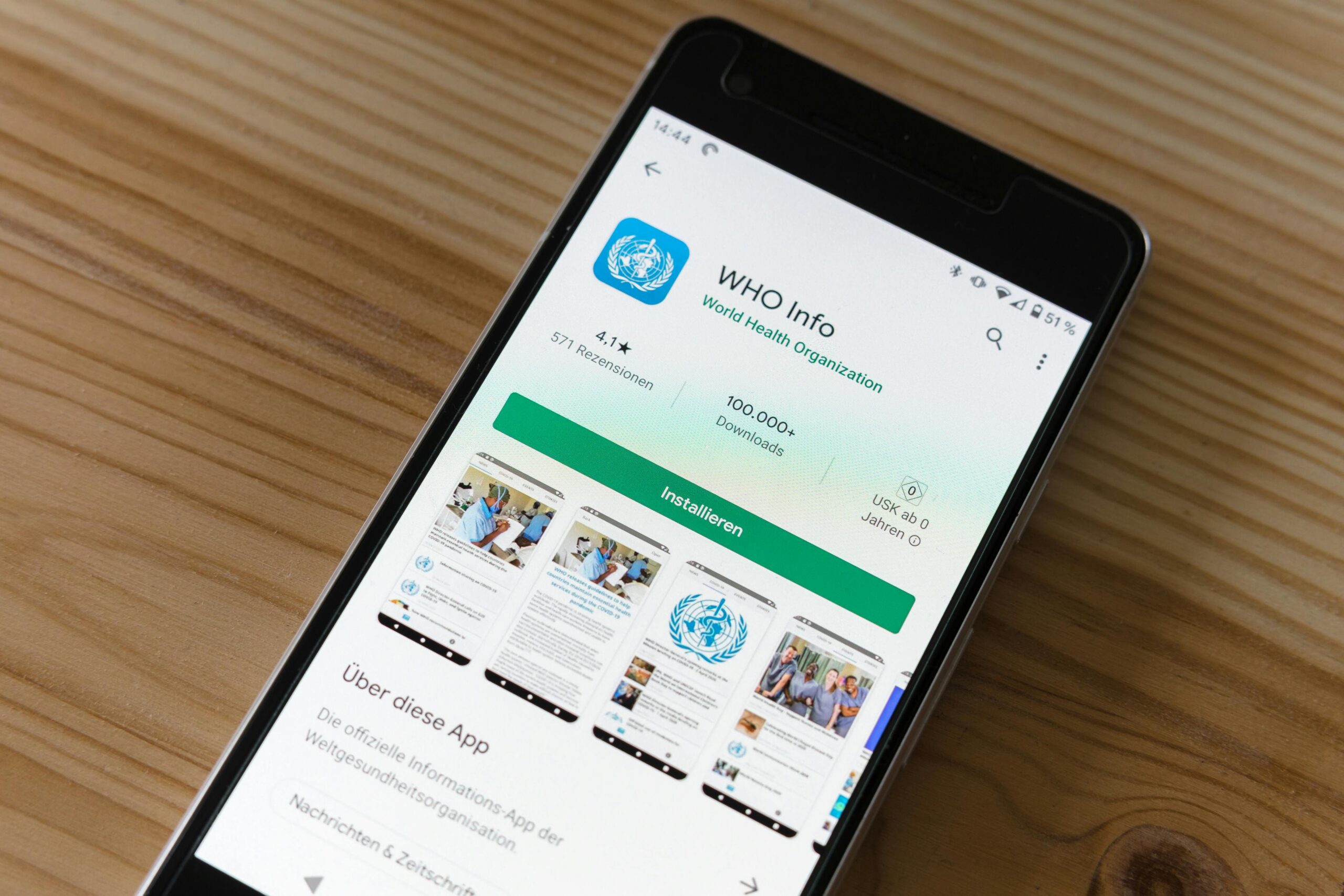
For decades, the Health Savings Account (HSA) and Flexible Spending Account (FSA) have been pillars of the American healthcare financial system, lauded for their tax advantages but often criticized for their complexity and reactive nature. They functioned as sophisticated savings jars—excellent for setting aside pre-tax dollars to pay for the inevitable doctor’s bill or prescription, but rarely seen as tools for building a healthier future. As we move through 2026, a profound convergence is underway. A new generation of Financial Technology (FinTech) platforms is fundamentally rewriting the script, transforming these accounts from passive reimbursement vehicles into dynamic, integrated hubs for proactive health management and strategic capital allocation.
The Legacy Model: A System Ripe for Disruption
Traditionally, navigating an HSA or FSA was an exercise in administrative patience. Employees enrolled during a brief window, made static contribution decisions, and then navigated a labyrinth of eligible expenses, often needing to pay out-of-pocket first, save receipts, and file for reimbursement. The connection between the funds in these accounts and one’s actual health outcomes was tenuous at best. The system was designed for sickness, not wellness. It incentivized spending on treatment after a problem arose, rather than investing in prevention that could avert the problem altogether. This disconnect created a significant gap between consumer financial tools and the burgeoning world of digital health, wearable technology, and personalized medicine.
The FinTech Catalyst: Integration, Intelligence, and Incentives
The transformation began with user experience. FinTech startups and incumbent financial institutions alike launched sleek, mobile-first platforms that aggregated HSA/FSA data alongside other financial accounts, provided real-time eligibility checks via barcode scanners, and automated receipt capture and reimbursement. But by 2026, the evolution has moved far beyond convenience. The new frontier is predictive health integration. Modern platforms now act as a central nervous system, connecting a user’s health financial data with their biometric and lifestyle data from sources like Apple Health, Fitbit, and continuous glucose monitors.
Imagine a platform that analyzes your aggregated health data and, based on your risk profile, proactively recommends a curated list of FSA-eligible preventative services. It doesn’t just tell you that nutritional counseling is eligible; it connects you with a registered dietitian specializing in metabolic health who offers virtual sessions and accepts your FSA directly at checkout. This is the seamless, high-intent bridge being built today.
Practical Applications: The New Ecosystem of Eligible Wellness
The expansion of eligible expenses by the IRS, coupled with FinTech’s ability to surface and verify them, has created a robust marketplace. The old question of “Is this FSA eligible?” has been replaced with proactive discovery. Platforms now feature integrated marketplaces where users can directly purchase a wide array of qualified items and services without the reimbursement lag.
From Generic to Genomic: High-Value Service Integration
Consider these real-world applications gaining traction in 2026:
- Personalized Health Navigation: Instead of guessing, users are matched with concierge health advocacy services that help them strategically use HSA funds for advanced preventative screenings, second opinions, or executive health program enrollment, all sourced from within the FinTech platform’s verified network.
- Mental and Cognitive Fitness: Subscription-based meditation and mental wellness apps like Calm or Headspace are now commonly verified as FSA-eligible. More advanced platforms go further, offering direct access to virtual cognitive behavioral therapy (CBT) sessions with licensed therapists, with seamless payment from your healthcare account.
- Precision Wellness Tools: The line between consumer electronics and medical devices has blurred. Prescription-grade sleep trackers, FDA-registered home blood pressure monitors, and even DNA-based nutrition and fitness panels from companies like 23andMe or InsideTracker are being pre-verified and offered as targeted recommendations within HSA/FSA platforms.
The Data-Driven Future: Predictive Analytics and Personalized Financial Planning
The most significant shift is the move from reimbursement to prediction. By 2026, leading HSA providers are leveraging anonymized, aggregated data to offer features that were once the domain of science fiction.
How Are FinTech Platforms Using AI to Forecast My Health Costs?
Advanced algorithms now analyze your spending patterns, demographic data, and (with permission) wearable-derived health metrics to create personalized forecasting models. A platform might notify a user: “Based on your activity levels and family history, your projected annual spend on physical therapy for lower back support is $X. We recommend considering our partner’s preventative ergonomic assessment service for your home office, eligible for HSA funds.” This transforms the HSA from a savings account into a strategic health budget planner.
Furthermore, the integration extends to retirement planning. As the only account with a triple tax advantage (pre-tax contributions, tax-free growth, tax-free withdrawals for qualified medical expenses), the HSA is a powerful investment vehicle. Modern platforms seamlessly integrate HSA investment advisory services, automatically sweeping cash above a certain threshold into curated portfolios. The long-term narrative is clear: invest in your health today to avoid costly chronic diseases tomorrow, and simultaneously grow a tax-free nest egg for future care, including long-term care insurance premiums, which are now a qualified expense.
Challenges and Considerations in the Integrated Landscape
This brave new world is not without its complexities. Data privacy remains the paramount concern. Users must critically evaluate how their sensitive health and financial data is aggregated, stored, and used. Reputable platforms in 2026 are transparent, employing bank-level encryption and clear opt-in policies for data sharing for personalized services.
Regulatory agility is another challenge. The pace of FinTech innovation often outstrips the IRS’s guidelines on eligible expenses. Leading platforms now employ dedicated compliance teams and legal experts to vet new products and services, but the onus remains on the consumer to verify final eligibility. The democratization of access is also crucial; these advanced tools must not exacerbate health inequities but should be designed for accessibility across socioeconomic groups.
Conclusion: A Paradigm Shift from Sick Care to Health Investment
The future of HSAs and FSAs, as illuminated in 2026, is not merely digital—it is holistic and proactive. The integration of FinTech with preventative healthcare represents a fundamental paradigm shift. These accounts are shedding their identity as mere reimbursement portals and emerging as intelligent health finance hubs. They empower individuals to make informed, preventative investments in their well-being, from genomic health insights to stress management subscriptions, all while optimizing for long-term financial health. The lesson is clear: the most sophisticated capital allocation for your future is no longer just about stocks and bonds. It is about strategically investing in the asset that underpins everything else—your health. The platforms that successfully, and ethically, bridge the gap between financial data and health data will not only dominate a market; they will redefine our approach to living well.
Photo Credits
Photo by Markus Winkler on Pexels
- The 2026 Finance Leader’s Playbook: Maximizing Health Tech ROI Through Strategic Subsidies and Tax Incentives – 18/03/2026
- Beyond the Balance Sheet: How AI Advisors in 2026 Are Using Your Health to Build True Wealth – 18/03/2026
- Telehealth and Your Wallet: A 2026 Cost-Benefit Analysis of Virtual Care – 18/03/2026

Leave a Reply